
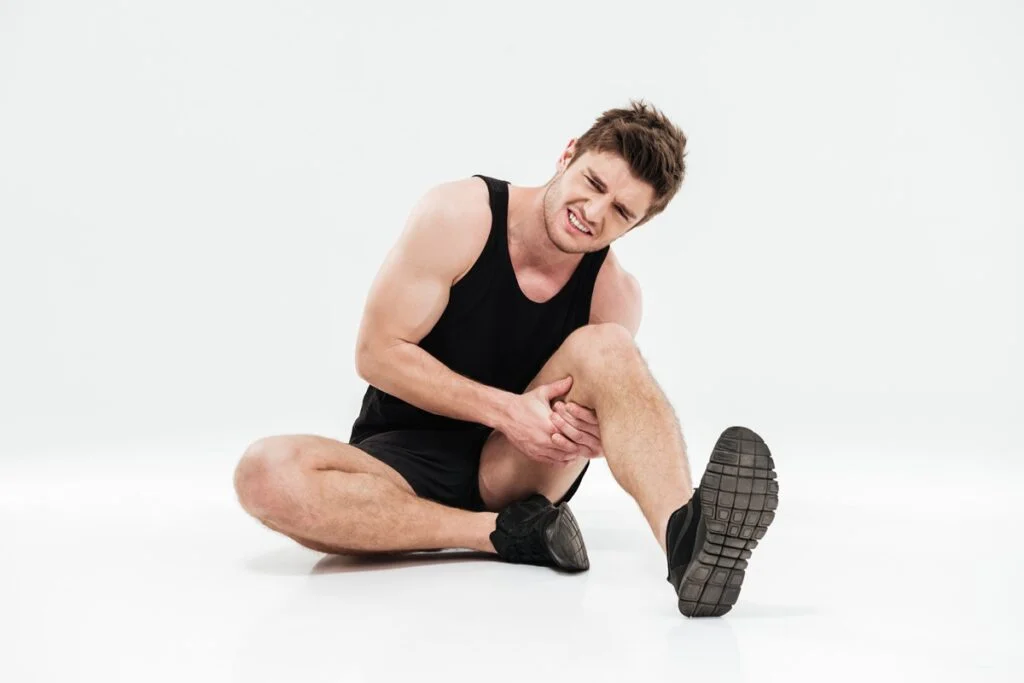

Few things are as disruptive as a sudden leg cramp. One moment you are asleep or enjoying a walk, and the next a calf or thigh muscle locks into a tight, painful knot. Leg cramps are common at night and during exercise, and they can affect people of every age and activity level.
The good news is that most cramps can be reduced with simple daily habits. At Thrive Physio & Performance, we help patients manage muscle pain every week as a trusted physiotherapy clinic in London. This guide explains why leg cramps happen, shares 10 practical tips to prevent them, and covers when it is time to see a London physiotherapist.
What Causes Leg Cramps?
A cramp is an involuntary contraction of a muscle that does not relax on its own. The calf is the most common site, but the hamstrings and thighs are also affected. Common triggers include:
- Dehydration or low fluid intake
- Muscle fatigue after exercise or long periods of standing
- Tight or inflexible muscles
- Sudden increases in training intensity
- Low levels of potassium, magnesium or calcium
- Poor footwear or foot mechanics
- Sitting or lying in one position for too long
- Certain medications and health conditions
Understanding the cause is the first step toward preventing the next episode.
10 Simple Tips to Prevent Leg Cramps
1. Stay Well Hydrated
Fluids support normal muscle function, so water is your first line of defence. Drink regularly throughout the day instead of waiting until you feel thirsty. Pay extra attention before, during and after exercise, and in hot weather when you lose more fluid through sweat.
2. Stretch Regularly
Flexible muscles are less likely to cramp. Gently stretch your calves, hamstrings and thighs after exercise and again before bed. Hold each stretch for 20 to 30 seconds and breathe slowly. A simple calf stretch against a wall is an easy place to start.
3. Increase Exercise Gradually
Suddenly adding more distance, speed or weight overloads tired muscles. Build up the intensity and duration of your workouts step by step, and allow time for your body to adapt. If you are starting a new activity, a physiotherapist can help you plan a safe progression.
4. Choose Low Impact Activity
Walking, swimming and cycling improve blood flow to the legs without placing heavy stress on the muscles. Regular gentle movement keeps circulation healthy and helps prevent the stiffness that often leads to cramping.
5. Eat a Balanced Diet
Nutrition plays an important role in muscle health. Include foods rich in potassium, magnesium and calcium, such as bananas, leafy greens, nuts, seeds, yogurt and beans. Speak with your doctor before taking any supplements.
6. Wear Supportive Footwear
Shoes that do not fit well or lack support can alter your alignment and strain the lower legs. Choose footwear with good arch support and cushioning, and replace worn shoes. If you spend long hours on your feet, supportive shoes make a big difference.
7. Limit Caffeine and Alcohol
Both can contribute to dehydration, which raises the risk of cramps. You do not need to cut them out completely, but moderation and an extra glass of water can help.
8. Massage Your Legs After Activity
A gentle massage after exercise releases muscle tension and improves circulation. Use your hands or a foam roller, applying light to moderate pressure along the calves and thighs. A registered massage therapist can also target stubborn tight spots.
9. Avoid Staying in One Position
Sitting at a desk, driving long distances or standing in one place for hours can leave leg muscles tight and sluggish. Change position often, take short walks and flex your ankles regularly to keep blood moving.
10. Rest and Recover
Muscles need time to repair. Listen to your body, include rest days in your routine and get enough sleep. Pushing through fatigue is one of the quickest ways to trigger a cramp.
What to Do When a Cramp Strikes
Even with good habits, a cramp can still happen. When it does:
- Stop what you are doing and gently stretch the affected muscle
- Massage the area with slow, firm strokes
- Walk around if you can, putting weight on the leg
- Apply a warm towel, heating pad or warm bath to relax tight muscles
- Use an ice pack afterward if the area feels sore
Most cramps ease within a few minutes, though the muscle may feel tender for a day.
When Should You See a Physiotherapist?
Occasional cramps are usually harmless. However, frequent or severe cramps can point to an underlying problem. Seek professional care if your cramps:
- Keep coming back or are getting worse
- Regularly disturb your sleep
- Come with swelling, weakness or numbness
- Cause redness or changes in the skin
- Start after a new medication or an injury
Cramps may sometimes be linked to circulation problems, nerve conditions or muscle imbalances. A skilled physio in London can assess how your muscles, joints and nerves are working, identify the root cause and build a treatment plan to prevent recurrence. If you suspect a medical issue, we will guide you to the right healthcare provider.
Physiotherapy Treatment in London for Every Need
Leg cramps are just one of the conditions we treat. Our clinic offers a full range of services under one roof:
- Physiotherapy Treatment in London for muscle, joint and mobility problems
- Massage Therapy to relieve tight muscles and improve circulation
- Workplace Injury Treatment for strains and overuse from work
- MVA Physiotherapy for recovery after motor vehicle accidents
- Concussion Treatment for safe, guided recovery
- TMJ Physiotherapy for jaw pain and tension headaches
- Pelvic Floor Therapist for pelvic pain and core support
- Vestibular Rehabilitation for dizziness and balance problems
Whether you need physical therapy in London for recurring muscle pain or targeted care after an injury, our team will create a plan that fits you.
Why Choose Thrive Physio & Performance?
Looking for the best physiotherapy in London? Here is what sets our London physiotherapy clinic apart:
- Experienced physiotherapists: Our team treats a wide range of musculoskeletal and neurological conditions.
- Personalized treatment plans: Every plan is built around your goals, lifestyle and recovery needs.
- Complete range of services: From physiotherapy and massage to concussion care and vestibular rehabilitation, you can find it all in one place.
- Hands-on, evidence-based care: We combine manual therapy, exercise and education for results that last.
- Convenient location and hours: Visit us at 11 Base Line Rd E, London, open Monday to Friday 10am to 6pm and Saturday 9am to 6pm.
- Easy online booking: Schedule your appointment online in just a few clicks.
Frequently Asked Questions
1. What causes leg cramps at night?
Night cramps are often linked to tight muscles, dehydration, muscle fatigue or sitting for long periods during the day. Stretching before bed and staying hydrated can help.
2. Does drinking more water stop leg cramps?
Good hydration supports normal muscle function and can reduce cramps, especially if dehydration is the trigger. It works best alongside stretching, balanced nutrition and gradual exercise.
3. What is the fastest way to relieve a leg cramp?
Stop the activity, gently stretch the muscle and massage it. Applying warmth can help the muscle relax.
4. Are frequent leg cramps a sign of something serious?
Not always, but frequent or severe cramps can be linked to medication, circulation problems or nerve conditions. See a healthcare professional if they persist or come with swelling, weakness or numbness.
5. Can physiotherapy help prevent leg cramps?
Yes. A physiotherapist can find tight or weak muscles, improve flexibility and teach exercises and habits that lower the chance of cramps returning.
Leg cramps can be painful, but they are often preventable. By focusing on hydration, balanced nutrition, supportive footwear, regular stretching and sensible exercise, you can keep your muscles relaxed and less vulnerable to cramping. If cramps become frequent, severe or disruptive, professional guidance can help you find the cause and get lasting relief.
Book Your Appointment Today
Ready to move without painful cramps? Visit the leading physio clinic in London and let Thrive Physio & Performance build a plan that works for you.
Call: 519 964 0416
Visit: 11 Base Line Rd E, London, N6C 5Z8
Book online: For Appointment